082 888 0801 - nida@tiscali.co.za

The Stakes Are Higher Than They Look
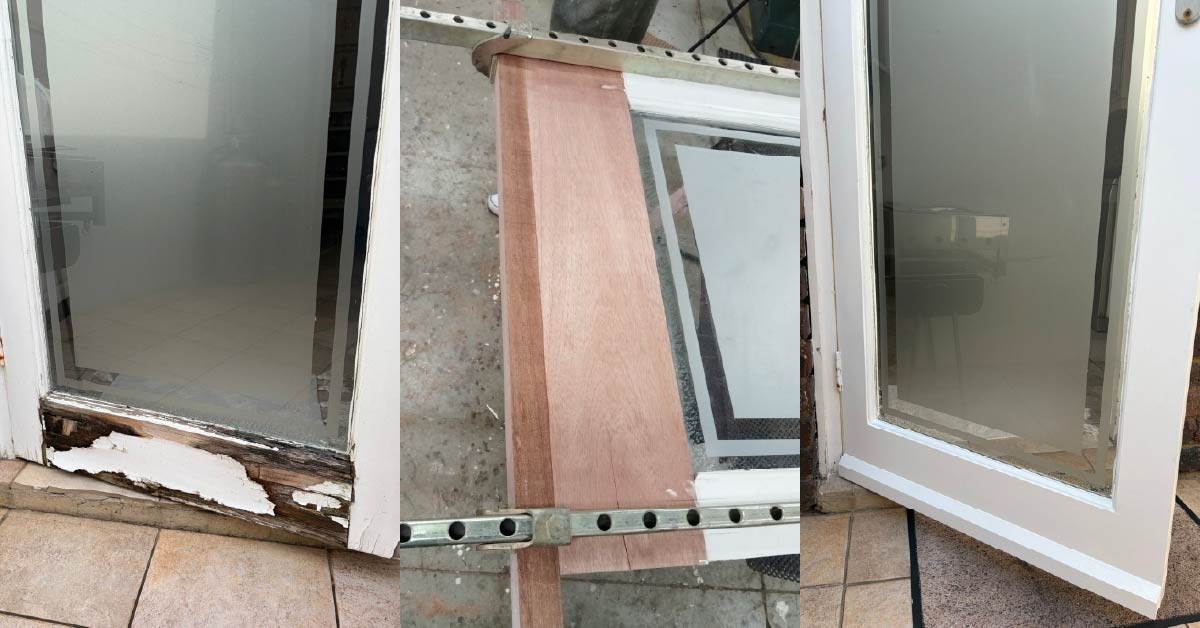
Window and door frames sit at the boundary between interior and exterior. When a frame is compromised – whether through a failed finish, a cracked joint, or soft timber at the base – water doesn’t just affect the frame itself. It finds its way into the wall, behind plaster, and into the structure of the building.
The damage that results from a single summer season of moisture ingress through a failed frame can far exceed the cost of the repair that would have prevented it. This is why pre-season assessment matters, and why October – before the first heavy storms – is the right time to carry it out.
What to Check on Window Frames
Start with the finish. Run your hand along each face of the frame, paying particular attention to south and west-facing elevations which receive the most direct rain exposure. Chalking, peeling, or surface cracking along the grain means the finish has broken down and the timber is unprotected.
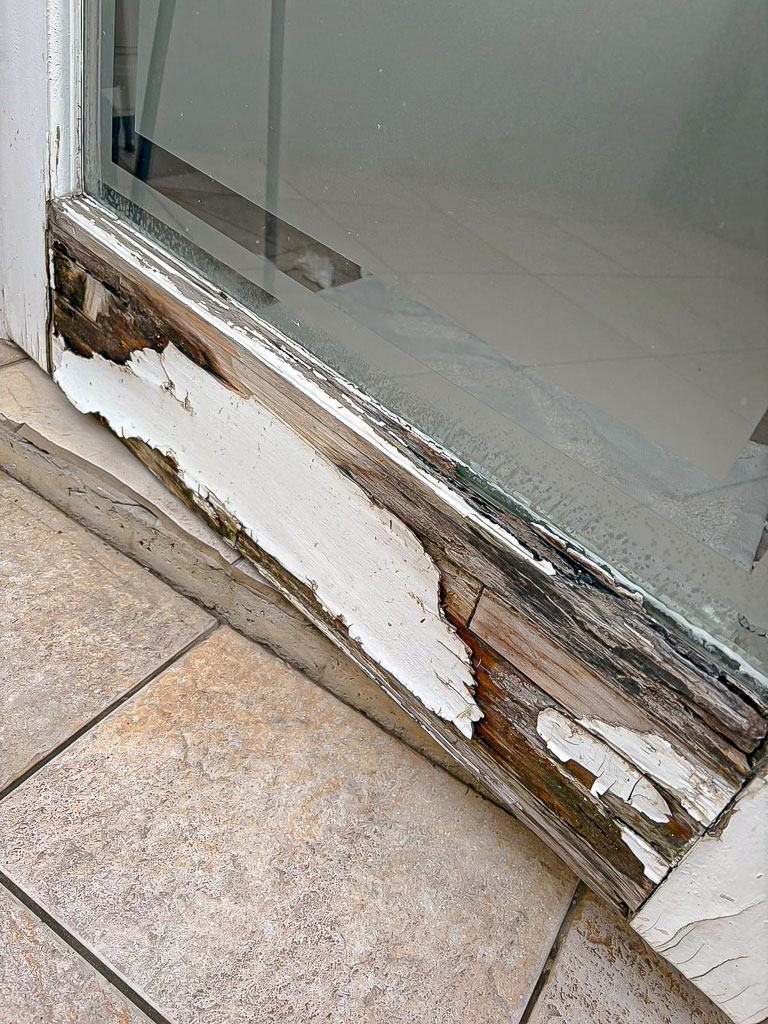
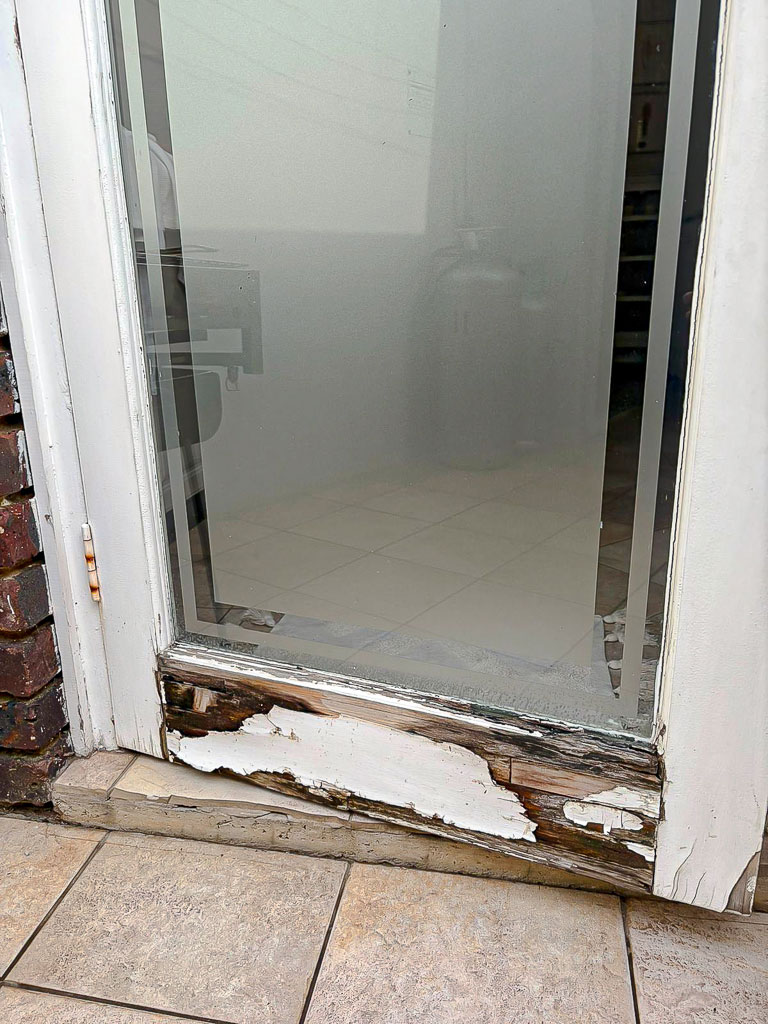
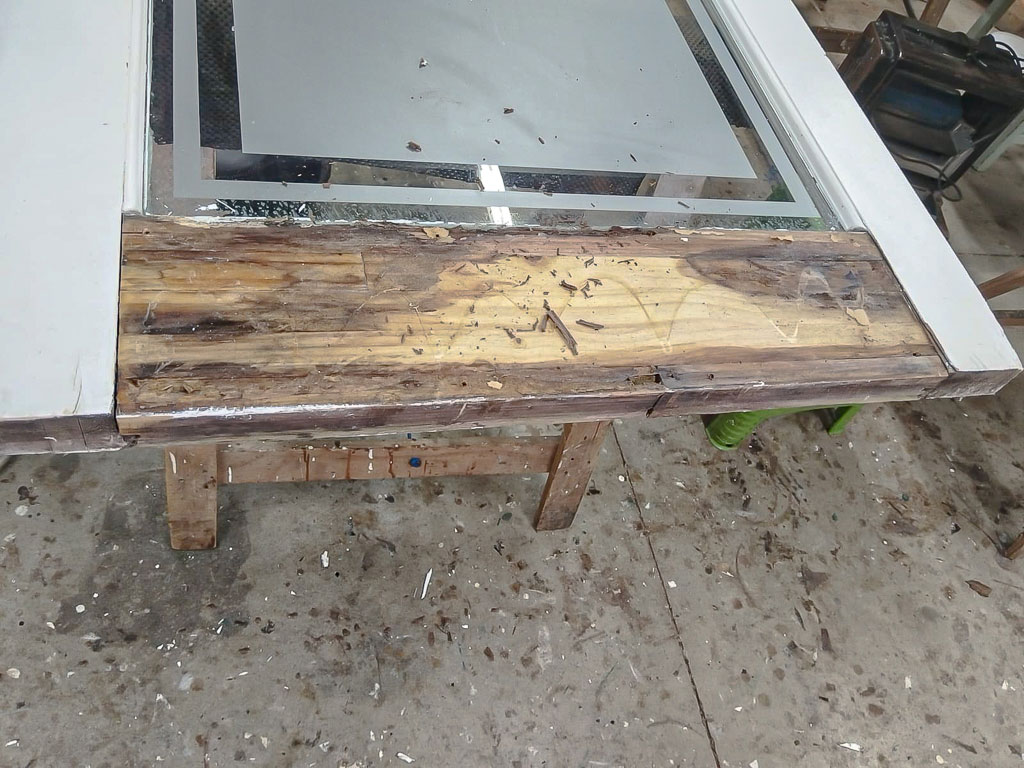
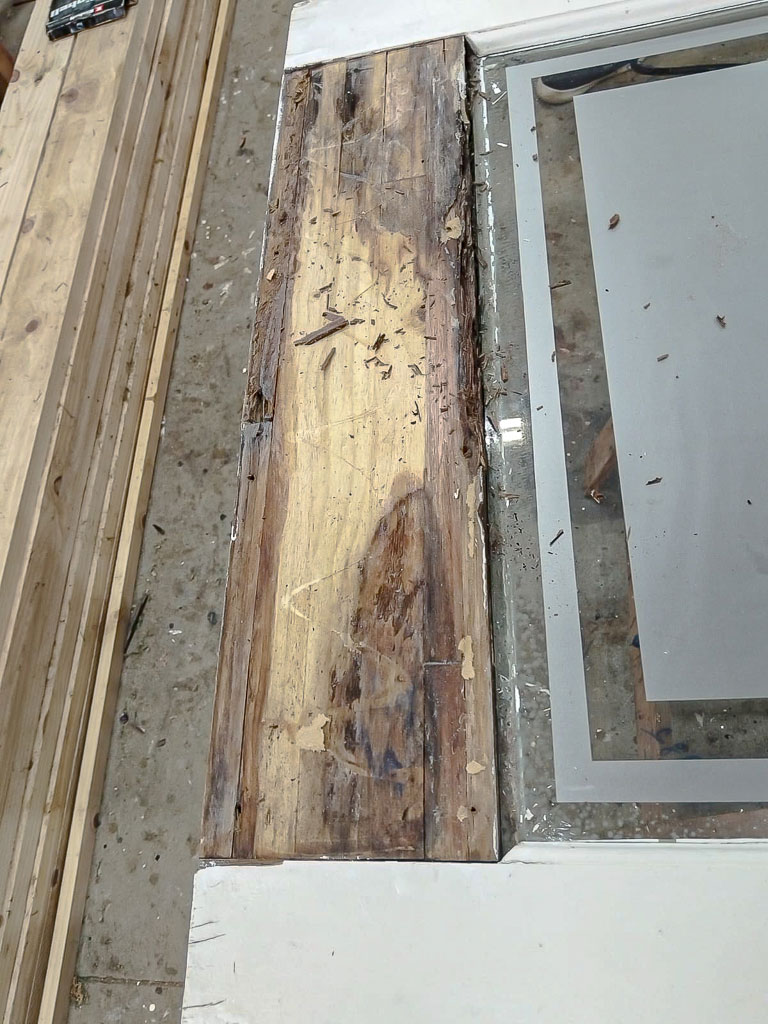
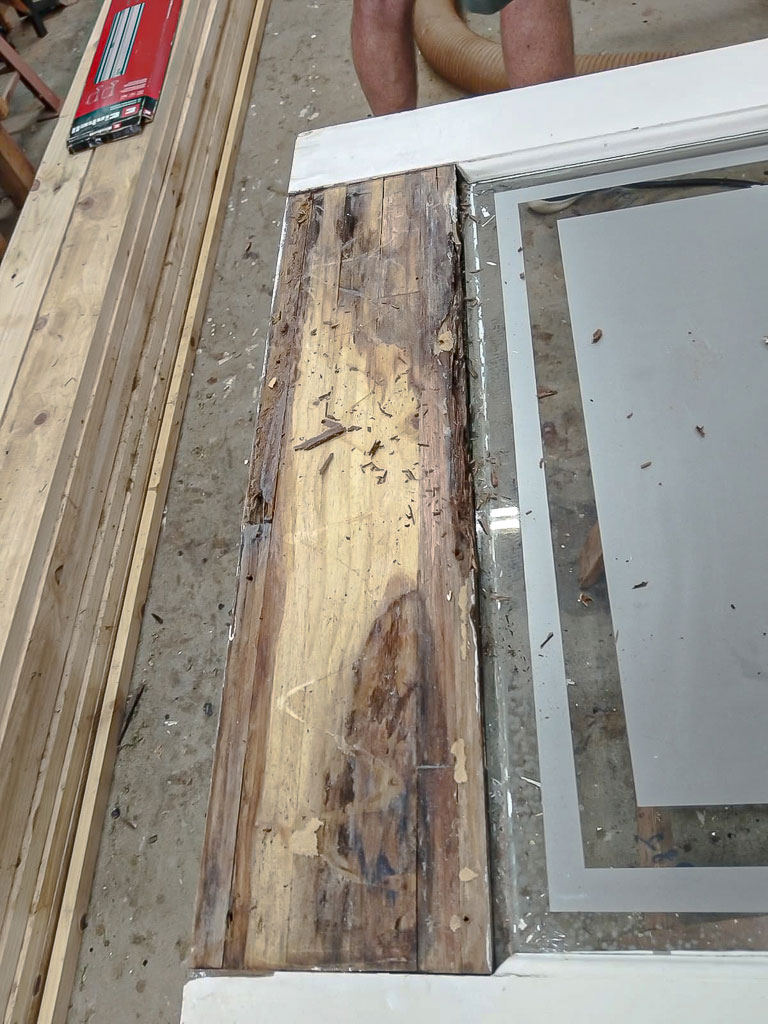
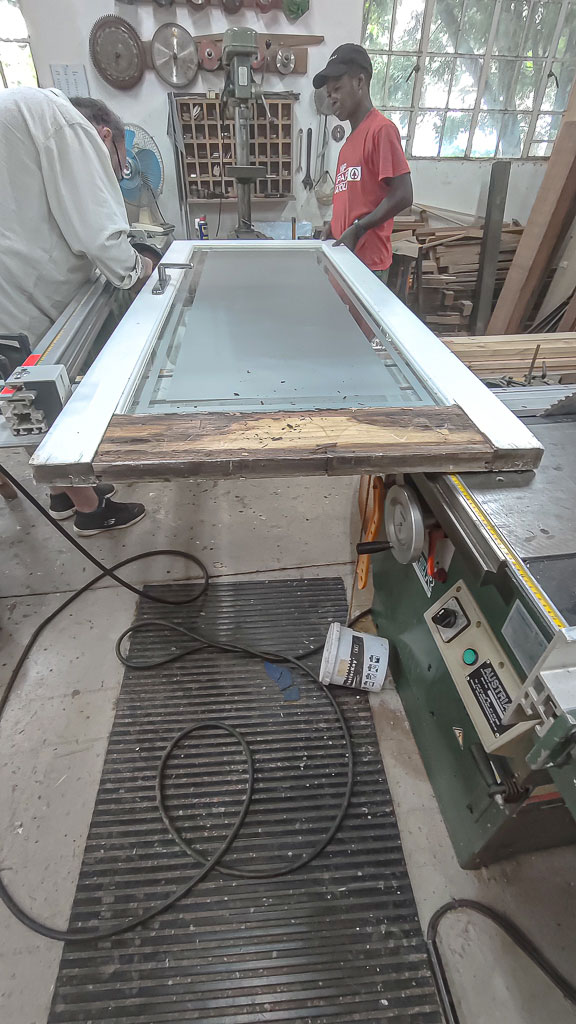
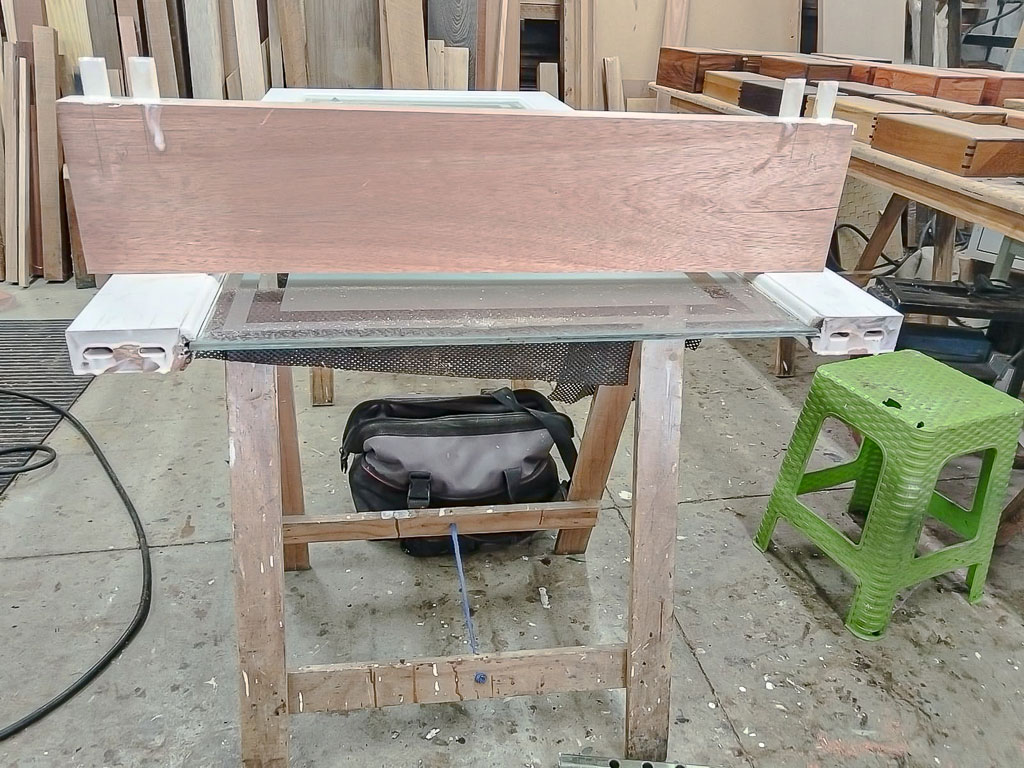
Check the bottom rail – the horizontal section at the base of each window. This is the most vulnerable part of any window frame because it is where water sits longest after rain. Soft or spongy timber here indicates moisture ingress that has already begun. Surface treatment alone will not resolve this – the damaged timber needs to be addressed before any finish is applied.
Look at the glazing beads and the junction between frame and glass. Gaps here allow water to track behind the bead and into the frame rebate, where it sits against the timber and accelerates deterioration from the inside.
Finally, check the junction between frame and wall. Any gap or crack at this interface allows water behind the frame entirely – causing damage that is invisible from the front until it becomes significant.
What to Check on Door Frames
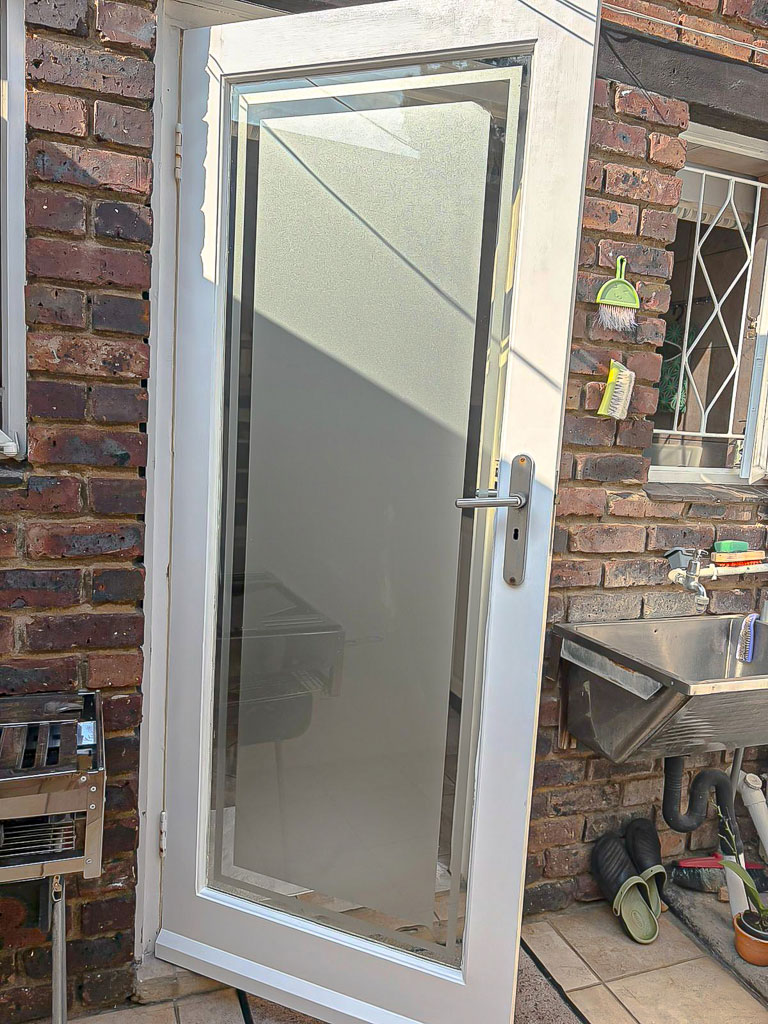
Door frames take similar punishment to window frames but with the added factor of daily mechanical use. Every time a door opens and closes, the frame absorbs movement – and over time, this can work joints open and loosen the frame’s connection to the surrounding structure.
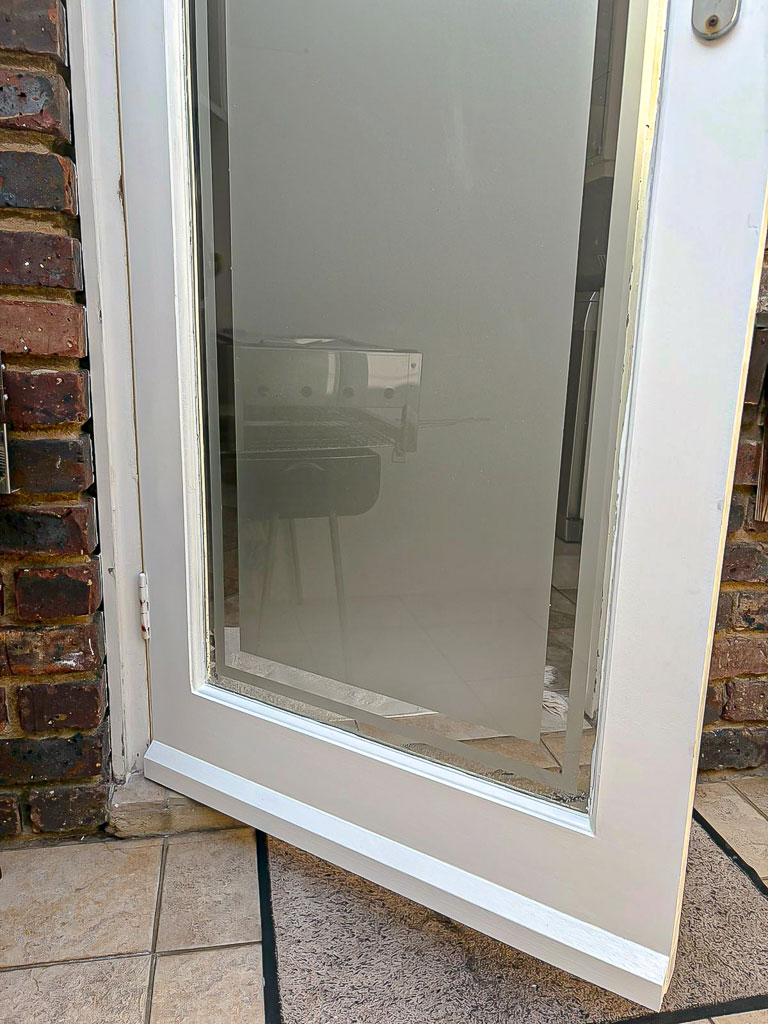
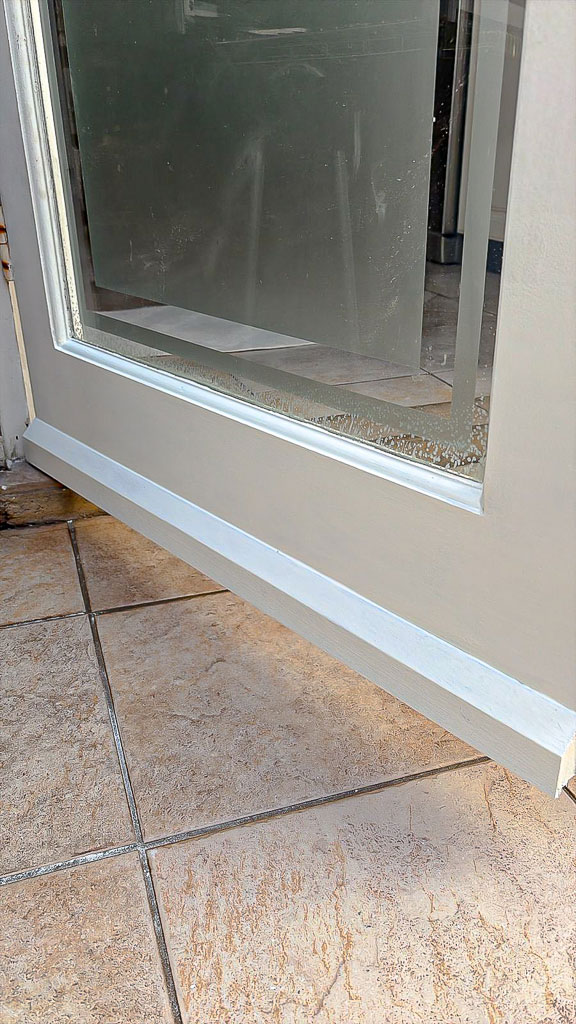
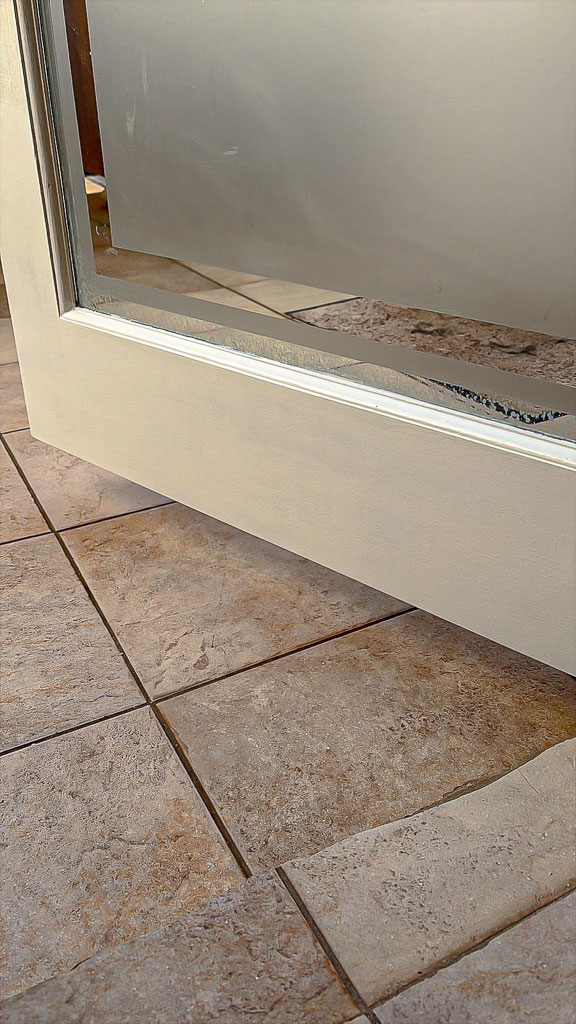
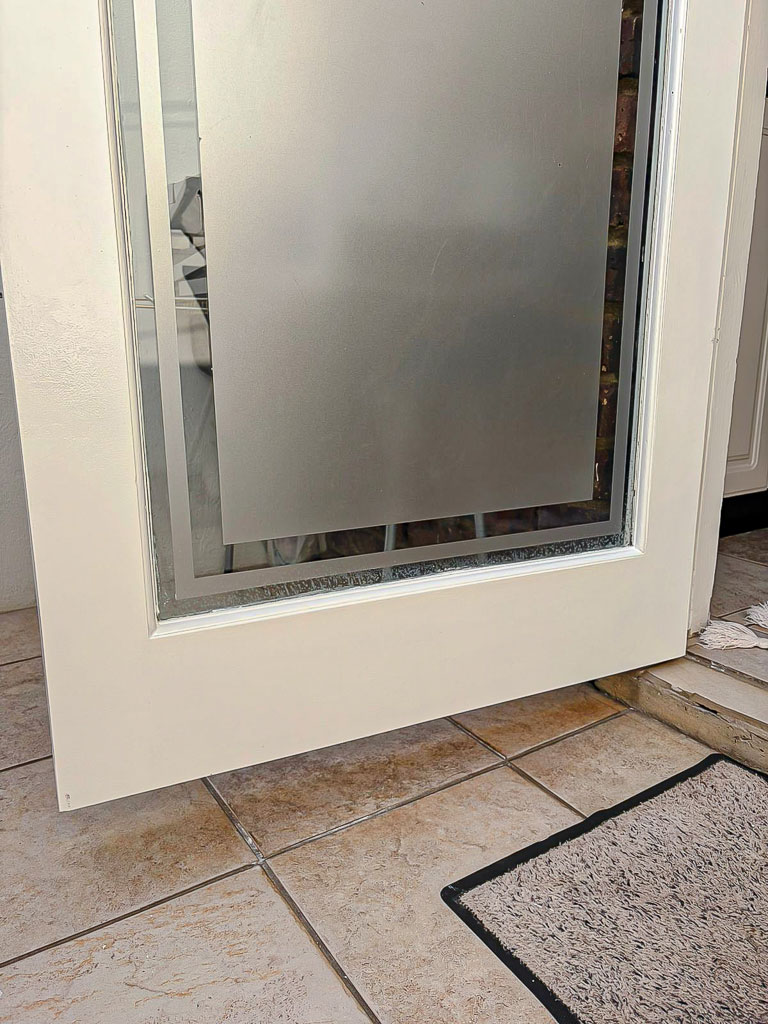
Check the bottom of each door frame and the threshold carefully. These sit closest to ground level and are most exposed to water pooling and splash-back after rain. Discoloured or soft timber here needs prompt attention.
Check that the frame sits squarely in the opening and that there are no visible gaps between frame and wall on any face. A frame that has moved or settled will have gaps that allow water ingress regardless of how good the finish is.
For external doors with a sill, check that the sill still directs water away from the frame and threshold rather than pooling against the timber. A sill that has cracked or lost its fall is a common and easily missed source of ongoing moisture damage.
The Right Time to Act
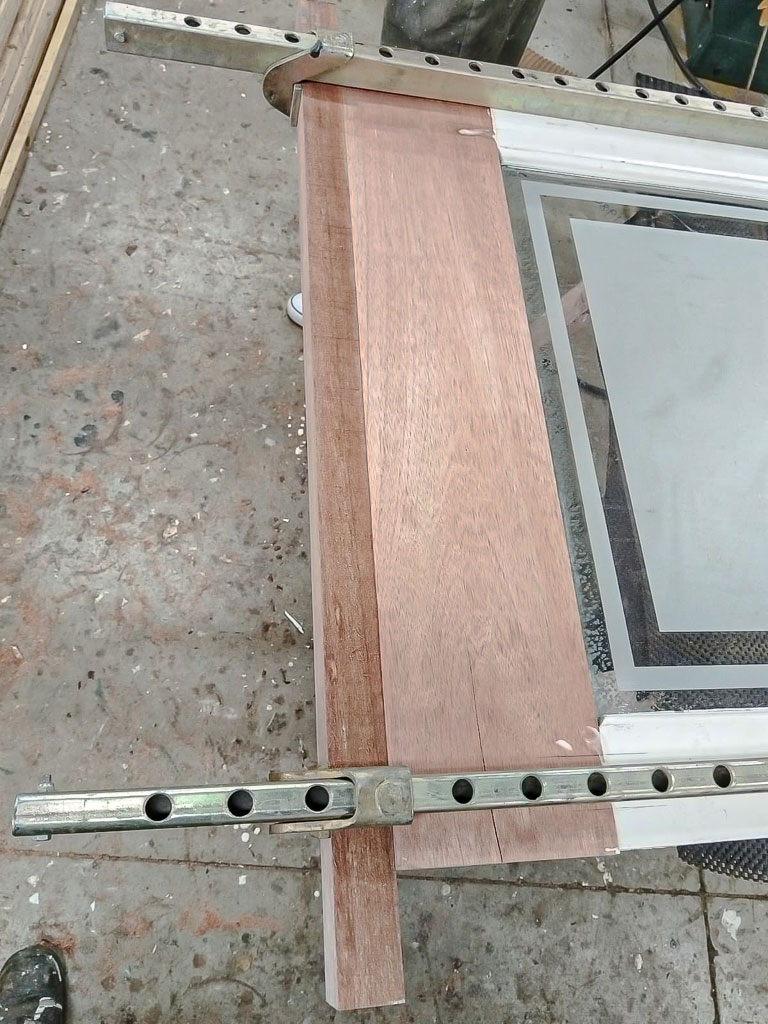
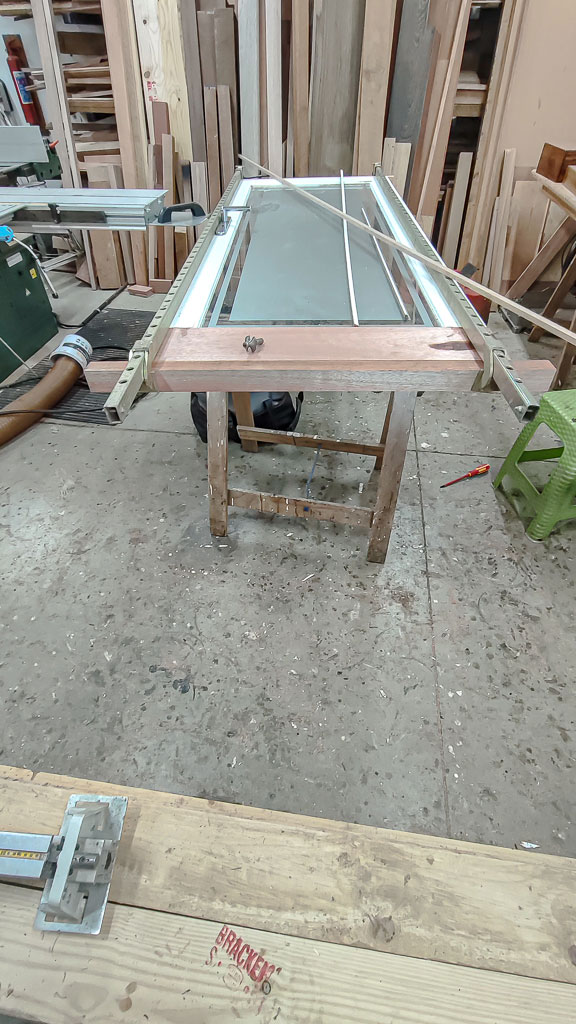
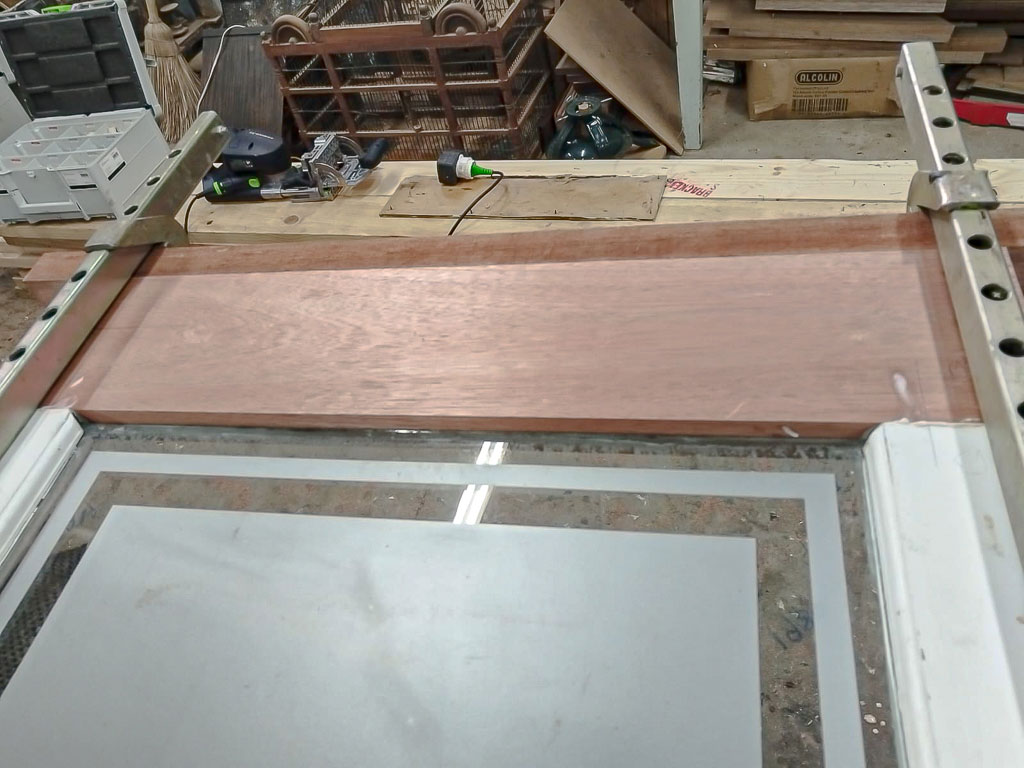
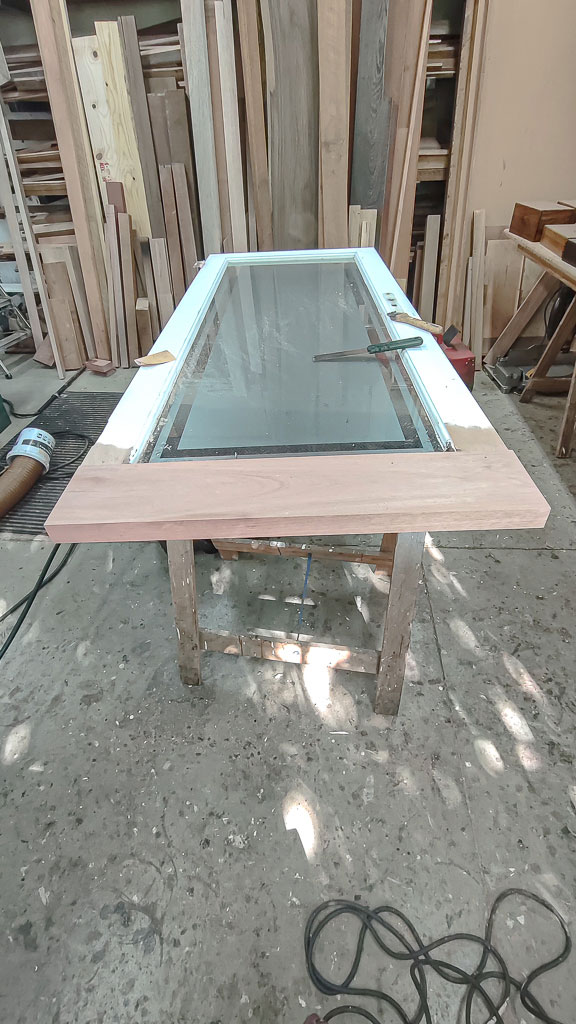
October sits in an ideal window for this work. Spring temperatures are moderate, humidity is rising gradually, and timber has stabilised after winter contraction. Treatments applied now penetrate and cure correctly before the first heavy summer storms arrive.
Repairs carried out in October protect the frame through the full summer season. The same repairs carried out in January – mid-summer, under heat and high humidity – are more difficult to execute correctly and less likely to hold as well.
Assessment First
If you are unsure about the condition of your timber frames – whether they need surface treatment, targeted repair, or more significant restoration – an assessment is the right starting point. At Atelier Desjardins we work across timber window and door frames across Northcliff, Westcliff, Johannesburg, and surrounding suburbs, including heritage and period properties where original frames are worth preserving correctly.
Contact us to arrange an assessment before the summer rains arrive.
082 888 0801 · nida@tiscali.co.za
Stay in the Loop
We send a monthly update with recent projects, woodworking tips, and the occasional look inside the workshop. No spam – just updates worth reading.